SQUALOS Mk-II, HEAVY LANCERS OF THE PANOCEANIAN ARMORED CAVALRY
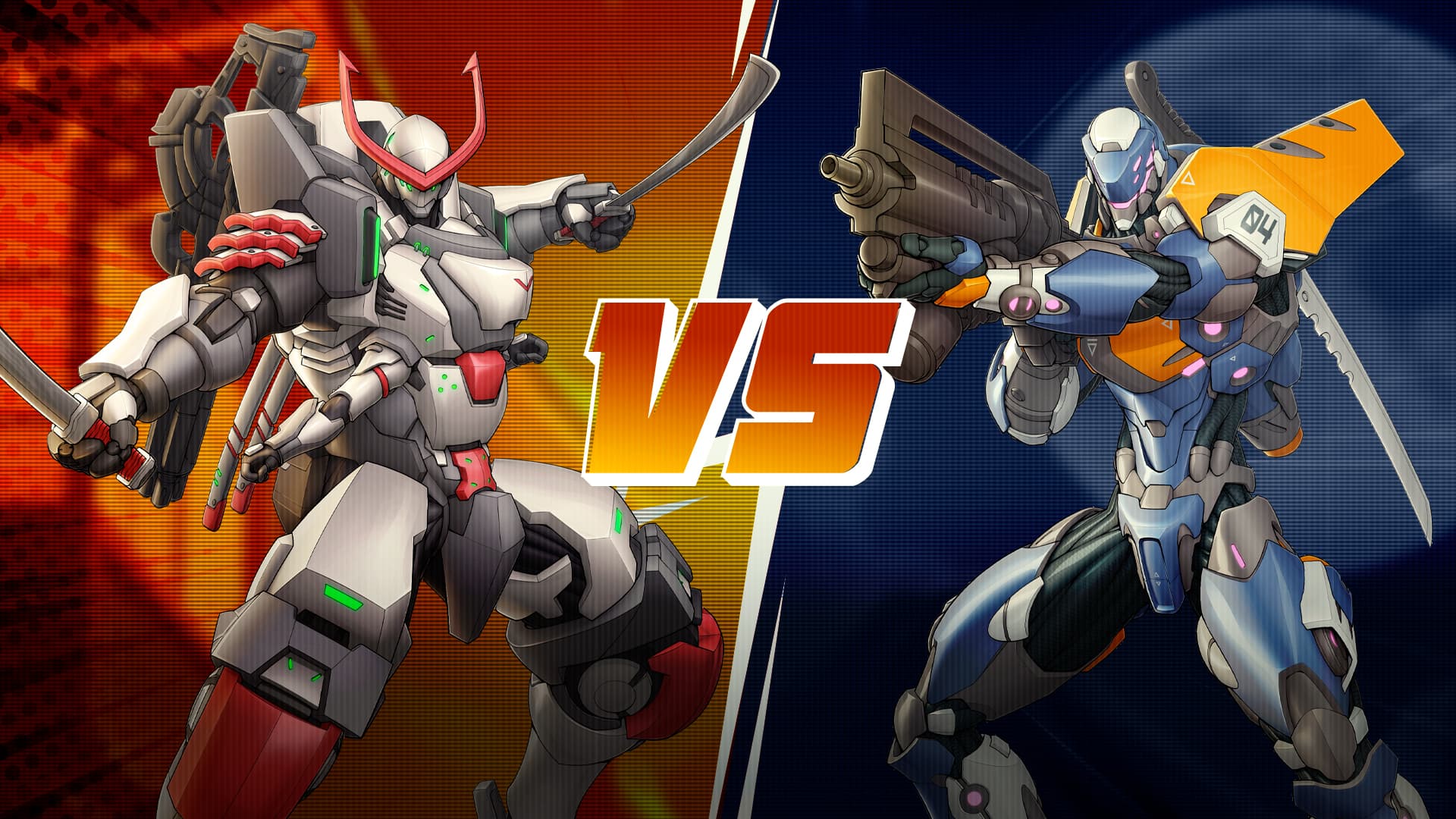
Squalo model TAGs are the remote-presence armored battle units that, for decades, have made up the Heavy Lancers Regiment of the PanOceanian Armored Cavalry. Designed to become the core armored unit of this mechanized corps, they were the most prevalent element in the PanOceanian armored arsenal: robust, efficient, and easily enhanced and upgraded. However after so many years of service the ever-changing settings of war in the Human Sphere made it wise to take a step beyond a mere upgrade of those still in service, and to rethink the whole base concept of the Squalos.

The Mk-II Squalo is the embodiment of a powerful new family of systems that bring the PanOceanian Military Complex into a new era of operational flexibility and responsiveness thanks to their advanced integration of data, sensors, and weapons. Its design is based on an open architecture, supported by a digital ecosystem that extends its lifecycle, allowing it to evolve rapidly by means of tech updates that will provide it with the new capabilities it needs to overcome any future threats that may present themselves on the battlefields of tomorrow.

HAETAE UNIT
The outcome of a battle is always unpredictable. No matter how much intelligence you gather, how many analyses you carry out, what competitive advantages you possess, or how many dirty tricks you have up your sleeve, nothing can guarantee victory. Ultimately the specific circumstances, the weather, the setting, and above everything else the human factor can be as unforeseeable as they are unexpected, and they can disrupt the entire course of the fight, throwing off every plan already in place.
This is what happened with the 14th Urban Defense Korean Regiment (UDKR), which was garrisoned in the riverside town of Gimhwa (김화 읍), in Septentria, Paradiso. This small town was one of the first to be attacked by the Combined Army during the First Paradiso Offensive. Faced with the alien army’s push and the forces of the StateEmpire spread too thinly at the time, the High Command considered the town lost, realizing that it would be impossible to reinforce its garrison. When the Combined Army launched its first assault on Gimhwa, everyone thought the city and all its inhabitants were doomed. However no one anticipated the sense of duty, strong commitment, and national pride so characteristic of Koreans, and these values pervaded the esprit de corps of the 14th Regiment. Committed to the protection and defense of the civilian population, the troops of the 14th Regiment stood their ground against the Combined Army forces, and they managed to hold them off in the first days of the attack.

Finally, confined within a small area around a hospital complex, the troops of the UDKR fought bravely, desperately, to allow the evacuation of the field hospital, which was full to the brim with civilian patients as well as the wounded members of the regiment. The final tally of Gimhwa’s defense was the evacuation of seventy-nine percent of the civilian population, at the cost of losing seventy-five percent of the 14th Regiment. The only survivors of this UDKR were the wounded troops who were evacuated in the last transport that took off from the field hospital and who were welcomed as true heroes upon their arrival at the rear.

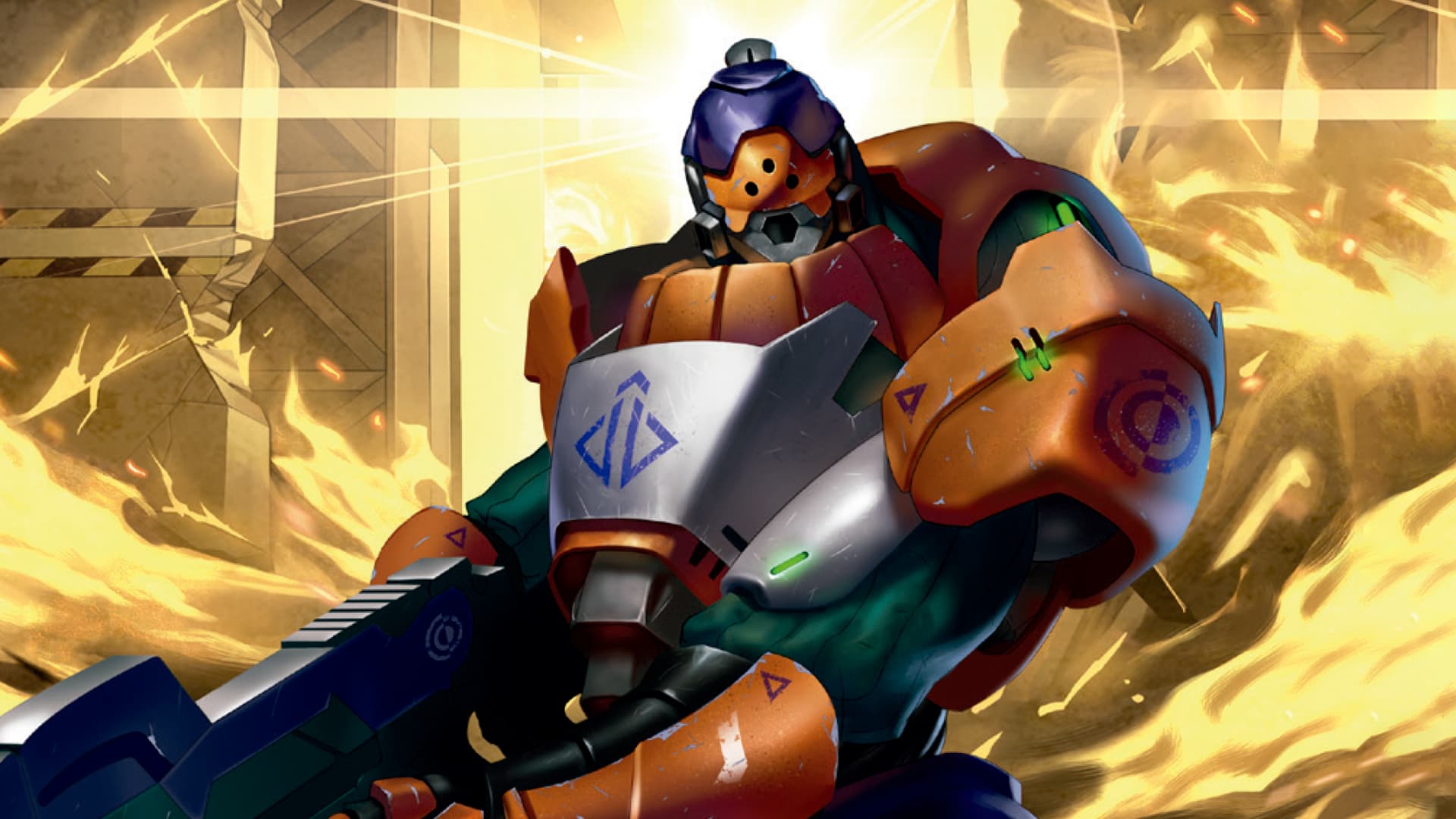
The UDKR survivors became the core of this new unit, which was fitted with heavy servopowered armor to enhance their survivability in combat, as well as their deadliness and firepower, thus boosting the impact and relevance of each one of those soldiers in battle. These heroes’ specialty would still be their resistance against superior enemy forces, preserving the unit’s original esprit de corps, but now they would be well equipped for it, being able to fight back against whatever their opponents might throw at them. Since they were the inspiring defenders of the Korean people and one of their cities, and considering that the denomination UDKR could no longer apply to them, this new unit was named Haetae (해태), after the mythical creature with the body of a lion covered with scales and a horn on its forehead that has been the symbolic defender of the Korean capital since the Joseon period.